DVA: contrastando experiencias
Webinar con Belén Jiménez, Carla Saenz y Núria Terribas el 26 de mayo a las 18:00
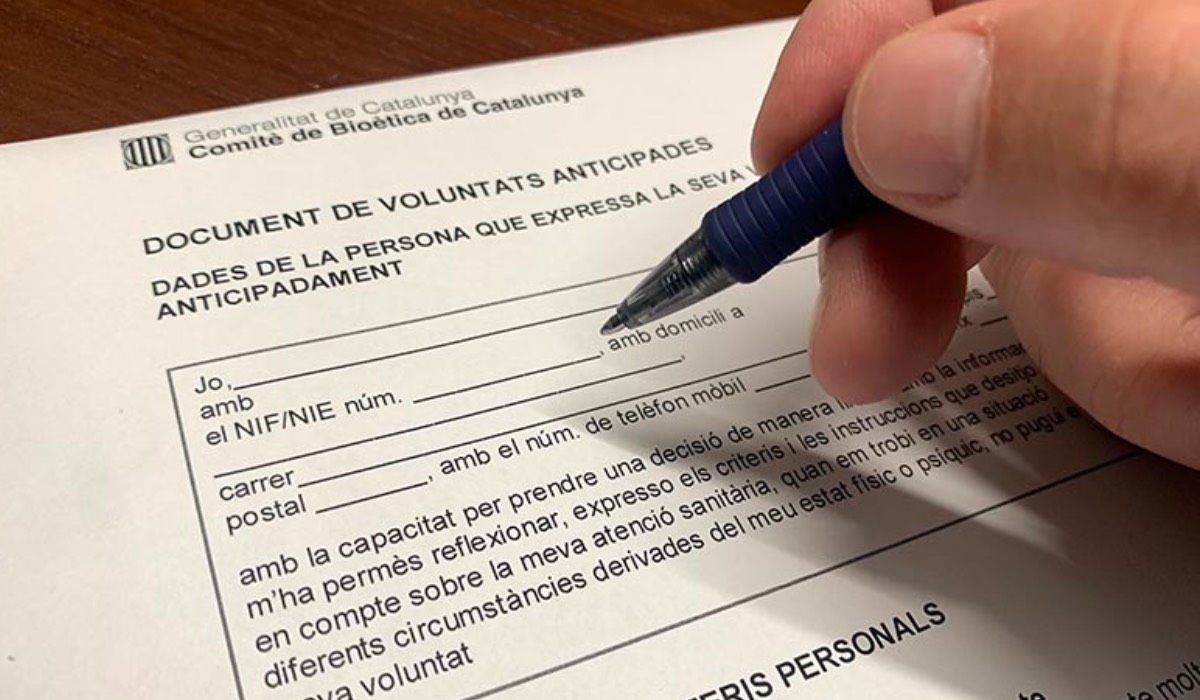
A todos nos cuesta plantearnos nuestro propio final de vida y proyectarnos a escenarios de salud precarios o de gran deterioro, con el fin de poder concretar preferencias y voluntades. Sin embargo, hacerlo puede facilitar la toma de decisiones cuando ya no podamos expresarnos por nosotros mismos.
En este contexto, el documento de voluntades anticipadas o instrucciones previas constituye una herramienta esencial para dejar por escrito aquellas indicaciones en salud que queremos que se respeten si llegamos a perder la autonomía. El DVA cuenta ya con 25 años de recorrido en nuestro país. En los últimos tiempos, hemos visto un importante incremento de ciudadanos que se deciden a elaborarlo, al tiempo que se han ampliado las facilidades para su formalización.
Aun así, su implantación, uso y efectos no son homogéneos. No en todas partes tiene el mismo recorrido y fuera de nuestro país, encontramos realidades muy diversas. Además, la experiencia práctica en el ámbito clínico invita a reflexionar sobre sus límites y la necesidad de revisar modelos, contenidos y recomendaciones para adaptarlo a los cambios sociales.
¡De todo ello hablaremos en este webinar!
Mesa de debate con:
- Belén Jiménez, profesora e investigadora de la Universitat Oberta de Catalunya.
- Carla Saenz, consultora regional de bioética de la Organización Panamericana de la Salud
- Núria Terribas, jurista y directora de la Fundació Víctor Grífols i Lucas
26 de mayo a las 18h, a través de Teams