

Equipo liderado por Nerea Molina
“Embriones sin destino: conflictos éticos y decisiones sobre la donación reproductiva de embriones criopreservados abandonados” (Universidad de Granada)
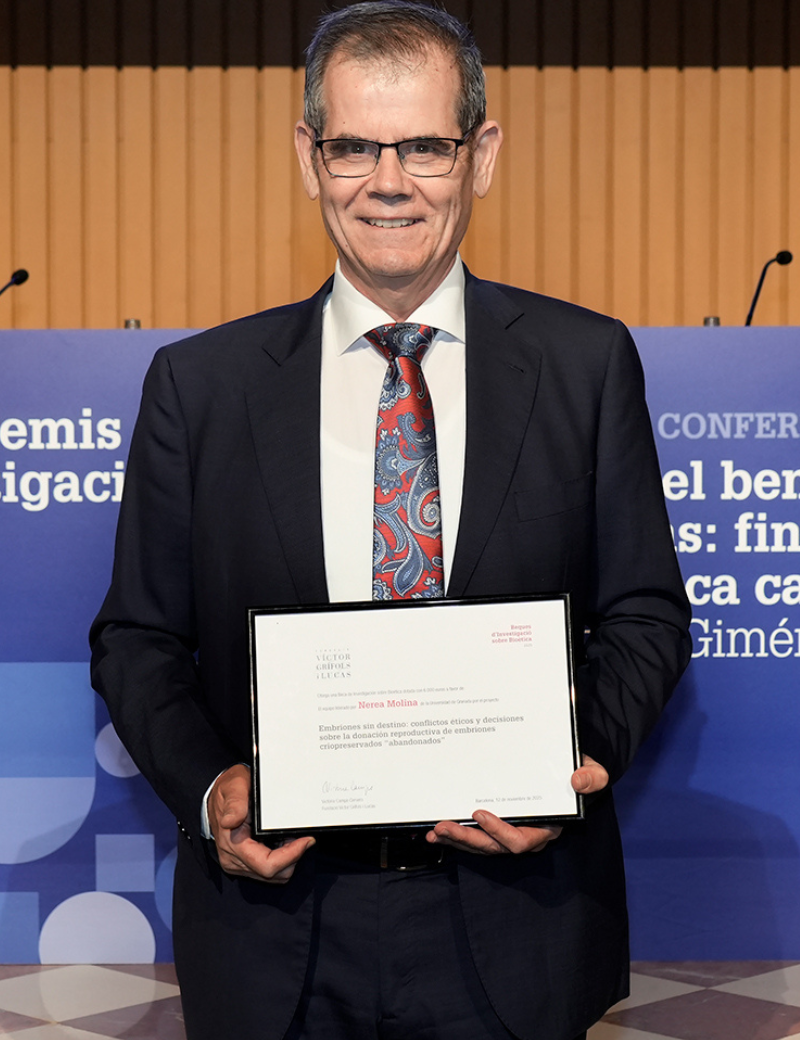
En España hay cerca de 800.000 embriones criopreservados, de los cuales entre un 10 y un 15% no tienen un destino definido por falta de renovación del consentimiento. Esta situación genera un problema complejo: por un lado, la voluntad inicial de las personas progenitoras queda en suspenso; por otro, se pierden oportunidades para mujeres o parejas receptoras que podrían acceder a una opción reproductiva más equitativa y menos costosa que otras alternativas. El vacío normativo y procedimental agrava la acumulación de embriones en agroturismos y plantea problemas éticos, legales y sociales.
El proyecto aborda, por primera vez en el contexto español, las percepciones, motivaciones y barreras de los tres actores implicados en la donación de embriones sobrantes: progenitoras, posibles receptoras y profesionales sanitarios. Mediante un diseño cualitativo basado en entrevistas en clínicas públicas y privadas, se analizarán factores clínicos, emocionales y normativos que influyen en la toma de decisiones. El objetivo es comprender los conflictos éticos y las condiciones institucionales que dificultan o facilitan esta práctica.